











Integrity builds quality, and quality wins the market.
Promoting green agricultural development through technological innovation.
Categories List
MESSAGE
If you have any questions, please contact us and we will contact you as soon as possible.
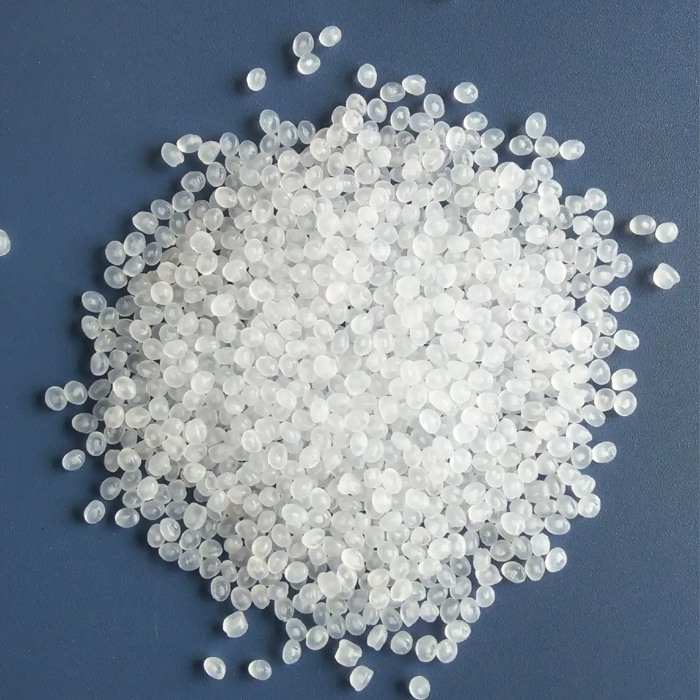
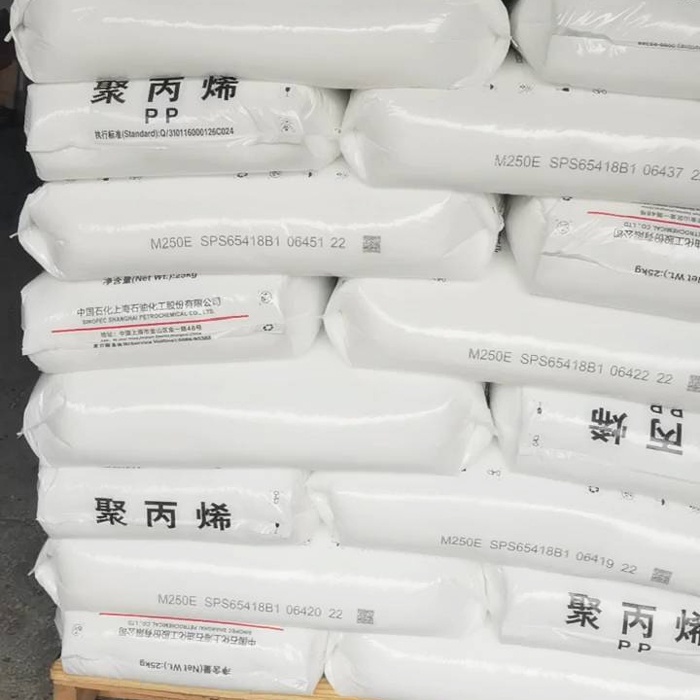
Molecular Formula: (C3H6)n
Molecular weight: 42.078
Product Introduction
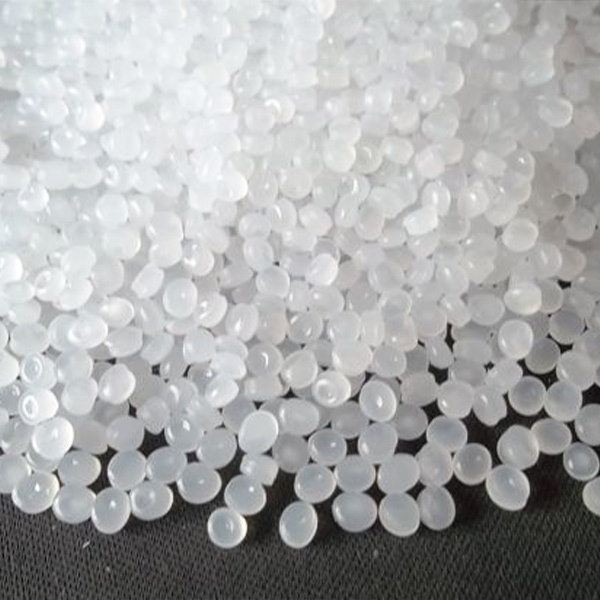
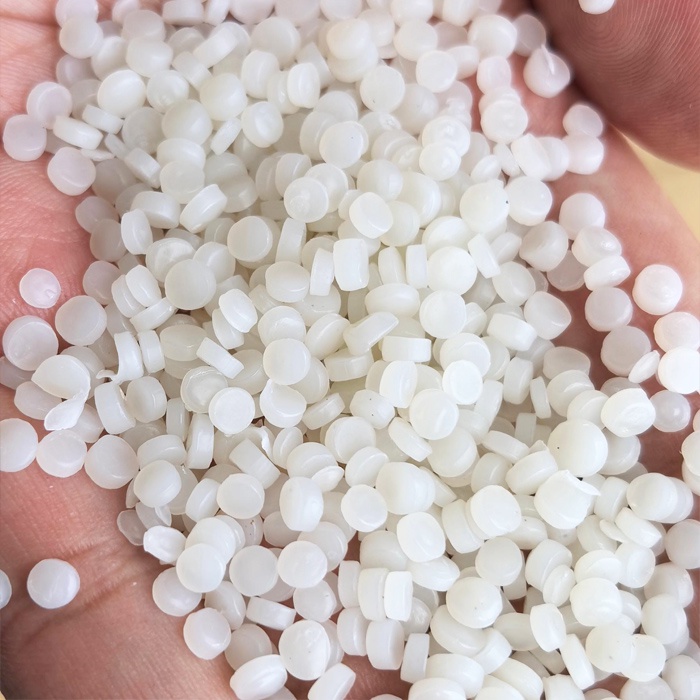
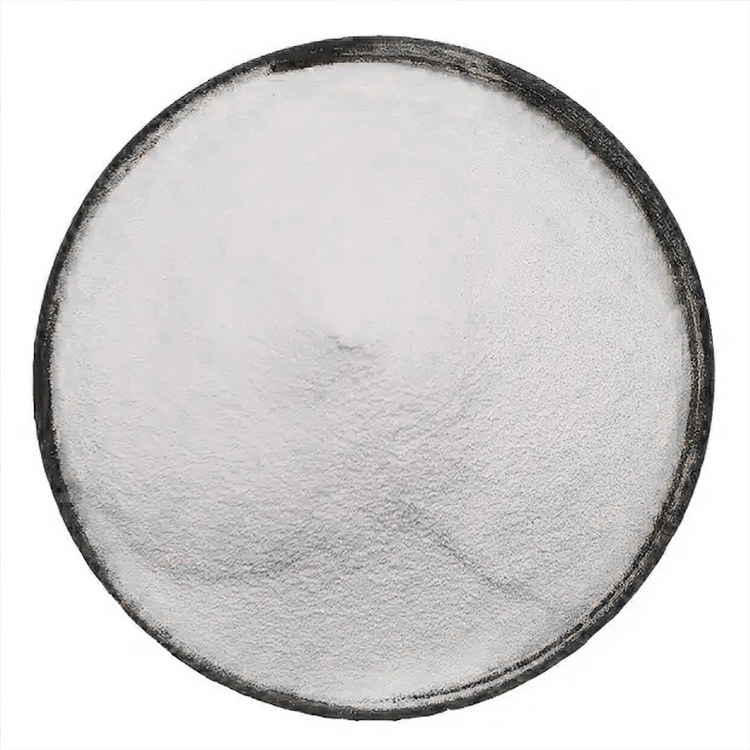
Polypropylene (PP) is a high-molecular-weight polymer derived from propylene monomers. Depending on the polymerization method, its production can be categorized into five main processes: solution polymerization, slurry polymerization, bulk polymerization, gas-phase polymerization, and combined bulk–gas-phase polymerization. Structurally, polypropylene is primarily divided into isotactic, syndiotactic, and atactic forms. Among them, isotactic polypropylene is the most commonly used, accounting for more than 90% of all applications.
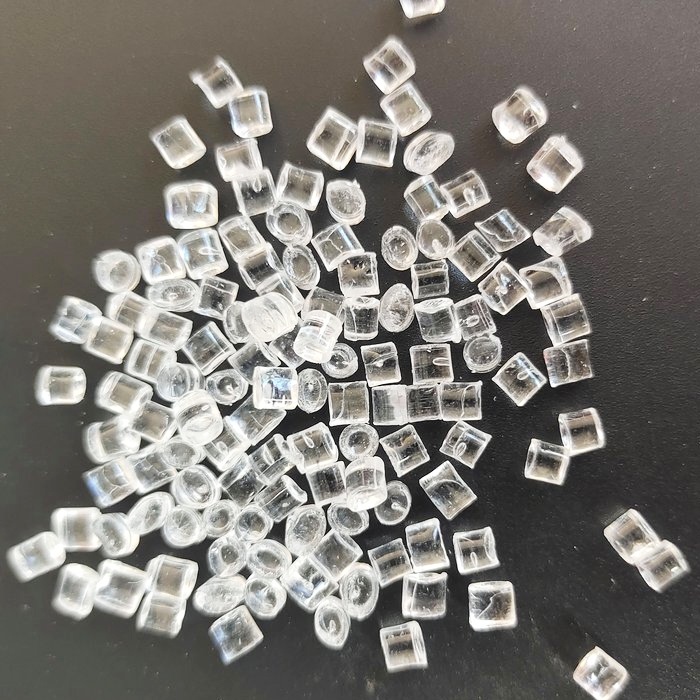
Atactic polypropylene is suitable for use in additives, adhesives, and modifiers. It serves as an effective carrier for modified masterbatches due to its high viscosity, good flow characteristics, and superior coating performance. Syndiotactic polypropylene offers benefits such as clarity, toughness, and flexibility, though its rigidity and hardness are only about half that of isotactic PP. It can undergo vulcanization similar to ethylene-propylene rubber, producing elastomers with mechanical properties surpassing those of conventional rubber.
Although its higher cost currently limits broader use, syndiotactic polypropylene holds strong development potential and is considered a promising new growth area for polypropylene resins, as well as an emerging synthetic resin for advanced material modification.
CHEMICAL PROPERTIES
PRODUCT USAGE
Polypropylene possesses outstanding processing performance and can be formed through multiple techniques to create a wide range of products for diverse applications. Injection-molded polypropylene is especially common, with general-purpose PP serving as the main material in everyday consumer items. In the automotive, home appliance, and industrial sectors, both pure and modified polypropylene are widely utilized. For instance, toughened PP is often used for automobile bumpers and wheel covers, while reinforced PP is applied in dashboards, steering wheels, fan blades, and handles.
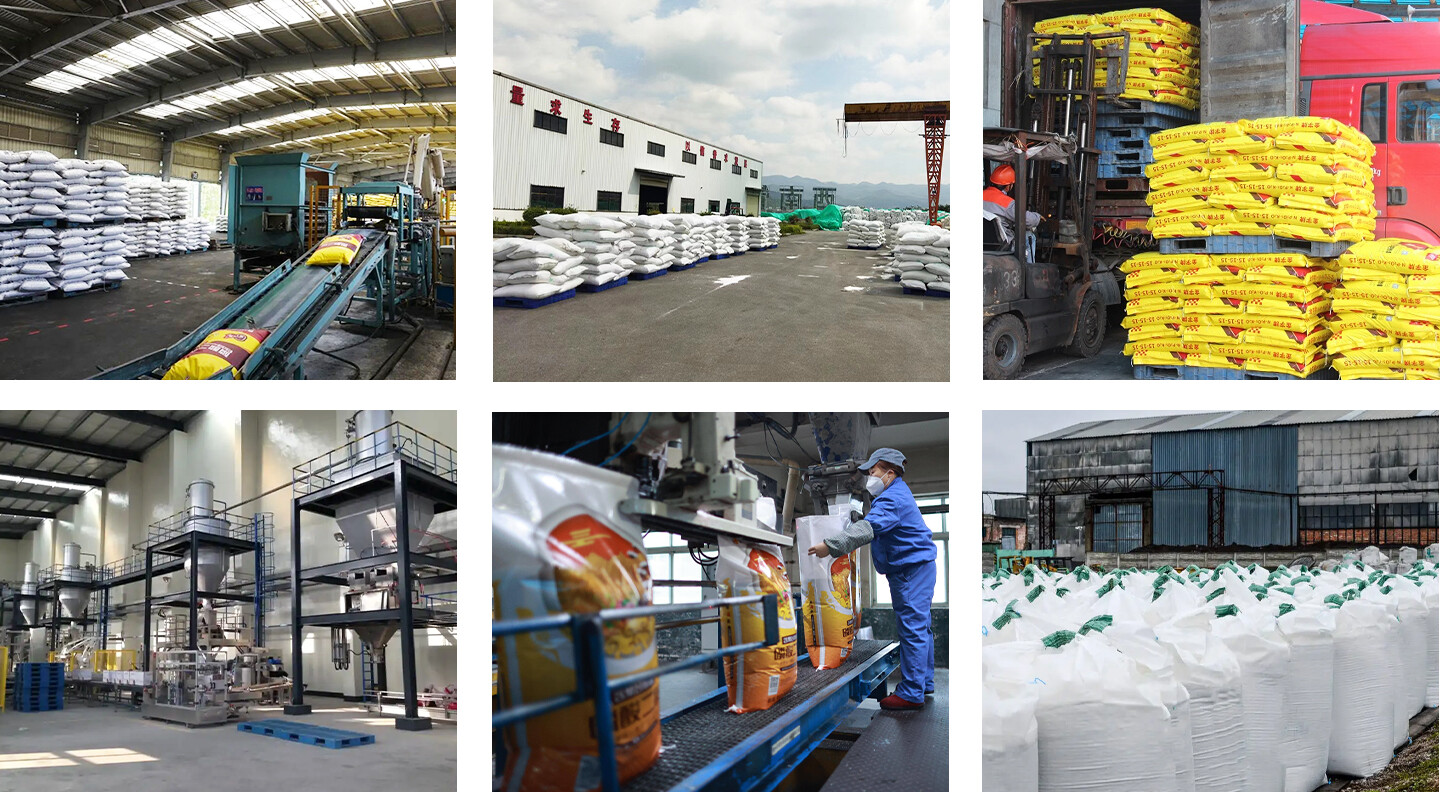
Factory Showcase
FAQ
Q: Are you a factory or a trading company?
A: We are a company integrating manufacturing and trading.
Q: Can you provide samples for testing before mass production?
A: Of course. We can send you samples free of charge, and we also include a COA. However, you will be responsible for the shipping fee.
Q: How can I get an accurate quote?
A: Please provide the exact product specifications, particle size, color, and intended use, and we will provide you with an accurate quote.
Q: Can you provide a COA?
A: Of course, but only for standard products. If you require an accurate COA, we will produce and test samples before providing you with an accurate COA.
Q: Do you accept ODM or OEM services?
A: Yes, we offer customized services for ingredients, packaging, and labeling. We have strong design capabilities. Please contact us to design your own brand.
Q: Can I visit your factory before placing a large order?
A: Of course. We welcome you at any time.
Q: What is the loading port?
A: Usually Qingdao or Tianjin.
Message
What are you lookking for?